
Everyone has the same list
Buy a resale villa or apartment in North Cyprus and within a week you will have written the same list every other buyer writes: repaint throughout, new bathroom, probably a new kitchen, do something about the floors, maybe take down that wall between the kitchen and the living room.
It is a good list. The mistake almost nobody avoids is treating it as a shopping list rather than a sequence. In renovation, the order you do things in decides whether you pay for each job once or twice.
This guide sets out the order that works, what to check before any trades are booked, and how the process runs if you spend most of the year in the UK.
Why the order matters more than the list
The logic of renovation is simple and unforgiving: messy work before clean work, wet problems before dry finishes, things inside the walls before the walls themselves.
Get it wrong and the costs compound quietly. The freshly painted wall gets chased open for new wiring. The new laminate floor is fitted, then scratched under a plasterer's ladder. The bathroom is tiled, then half undone because the pipework behind it was forty years old and nobody looked.
Every one of those is the same failure: a finishing job done before the job underneath it.
Before anything: survey the property
A resale property here has usually stood through twenty or more Cyprus summers and winters. Before booking any work, the property needs a proper look — not for what is ugly, but for what is wrong underneath.
What to check before planning the renovation
- Ceiling corners and the tops of walls: stains, yellowing or bubbling paint point at the roof, terrace or a balcony above
- Walls backing onto bathrooms and kitchens: damp patches point at pipework
- The bottom half-metre of ground-floor walls: salt crusts and flaking paint point at rising damp
- Around windows and sills: staining points at failed seals or sills
- The electrical installation: is it old, and will it carry modern loads — air conditioning in several rooms, kitchen appliances?
- The outside: cracked or hollow render, and the condition of the flat roof or roof terrace
If you are still at the buying stage rather than the owning stage, we have covered this in more depth in our guide to waterproofing checks before buying in North Cyprus.
Water and damp come first, every time
If the survey turns up water — a leaking flat roof, a terrace that drips into the room below every winter, damp climbing a ground-floor wall, black mould in a bedroom corner — that goes to the top of the list, ahead of everything you actually wanted to do.
The reason is not caution, it is arithmetic. Water destroys finishes. Paint, plaster, laminate, fitted furniture: moisture ruins all of them, and it does not care that they are new. Redecorate over an unfixed leak and the stain is back within a few months, now in the middle of paint you have just paid for.
Damp has more than one cause — and more than one fix
Condensation mould, a roof leak and rising damp look similar on the wall and need entirely different repairs. Diagnosing which one you have is the first job — our article on damp and mould in North Cyprus homes explains how to tell them apart, and our waterproofing service covers the repairs.
Only when the property is dry does the renovation proper begin.
The right sequence, step by step
Renovating a resale property in the right order
Fix water and damp
Roof, terrace, balcony, rising damp, pipework leaks — resolved before any finishing work is planned. If bathrooms are being redone, their waterproofing is designed in at this stage.
Strip out and demolition
Old kitchens and bathrooms out, floor coverings up, any walls that are going, gone. Strip-out is also the second survey: it exposes what the previous decoration was hiding.
Plumbing and electrics
Everything that lives inside walls and floors — water, waste, wiring, air conditioning pipe runs — is renewed while the walls are open. Socket positions and lighting points are finalised now; every change after this point means breaking finished work.
Plastering and ceilings
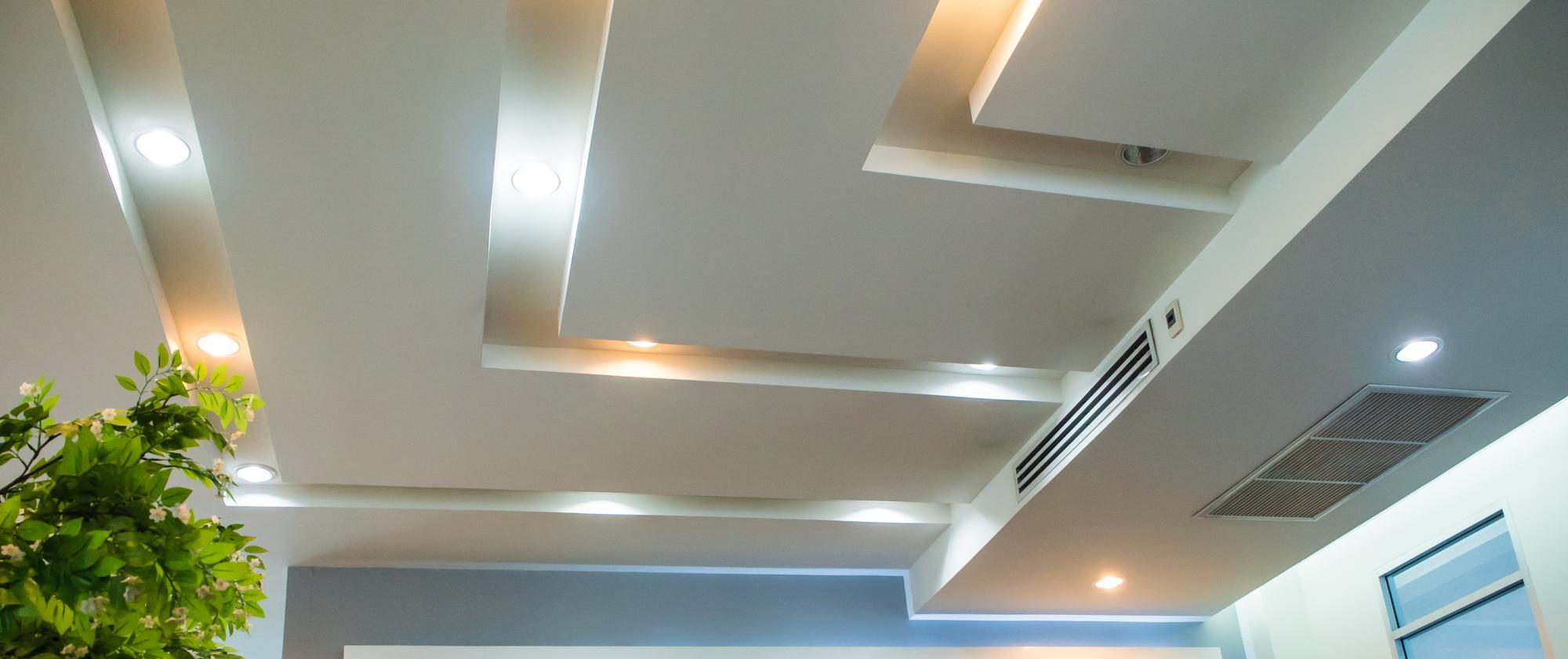
Walls are made good and skimmed, suspended ceilings and concealed lighting go in. This is the last of the dusty trades.
Floors
Tiling, laminate or vinyl goes down after the dust and before the paint, then gets protected. In wet rooms the floor build-up sits on top of the waterproofing.
Decoration
Painting is the last full-room trade. Two coats minimum, room by room, onto surfaces nothing heavy will touch again.
Fit-out and finishing
Kitchen and bathroom units, internal doors, skirtings, light fittings and hardware go in last, followed by snagging and handover.
On full renovations we run this whole sequence as one team under our renovation and refurbishment service — one programme, one point of contact.
The outside: render, insulation and paint
Renovation budgets here have a habit of stopping at the front door. That is worth resisting, for two practical reasons.
First, the outside protects the inside. Cracked render takes in winter rain, and that moisture surfaces later as damp patches on your freshly decorated walls. If the facade needs repair, it belongs in the same plan as the interior.
Second, scaffolding goes up once. If the render is being repaired anyway, that is the moment to consider external wall insulation — the system that cuts summer air conditioning bills and winter condensation, finished with a rendered coat in the colour of your choice. Facade repairs, insulation and exterior painting are covered under our facades and rendering service.
Having the work done while you are in the UK
A large share of the renovations we carry out are for owners who are off the island for most of the year, and the process is built around that:
- Free survey. We inspect the property and send you what we find, with photographs.
- Written quotation. Scope, materials and programme set out in writing, in English, before anything starts.
- The work, documented. Stages are photographed as they happen so you can follow progress from home.
- Handover. Snagging closed out, the property cleaned and ready for you or your tenants.
The practical advice from owners who have done it: decide everything you can before you leave the island — socket positions, tile choices, colours — because decisions made remotely are the slowest part of any renovation.
Timing it through the year
Internal work runs happily year-round. The external stages are the ones with a season:
Waterproofing, rendering and exterior painting want dry surfaces and moderate temperatures — spring and autumn are the reliable windows. Winter rain interrupts the work, and August heat makes renders and coatings cure too fast for their own good.
So the efficient pattern for a property with outside works is: survey and quotation over winter, external works in spring, internal fit-out following straight on — and the property ready before the summer season, whether that is for your own use or for rental.
Getting it planned
A resale property in North Cyprus rewards renovation done in the right order: water first, services second, surfaces third, decoration last, and the outside planned in rather than left for someday. Follow that and every job is paid for once.
We have been renovating and waterproofing property across Kyrenia, Nicosia, Famagusta and the whole of North Cyprus since 1999, with a 5-year workmanship guarantee and an English-speaking team. If you have just bought — or are about to — request a free survey and we will help you turn the list into a plan.